Finding Your Summit: A Step-by-Step Framework to Achieve Meaningful Goals
“The summit isn’t just a mountain. It’s the best version of yourself.”
Everyone has an Everest.
For some, it’s building a successful business. For others, it’s repairing a relationship, changing careers, writing a book, climbing a mountain, or simply finding the courage to begin again.
The mistake many people make is believing that success belongs only to extraordinary people. The truth is that extraordinary achievements are usually the result of ordinary people consistently taking purposeful steps.
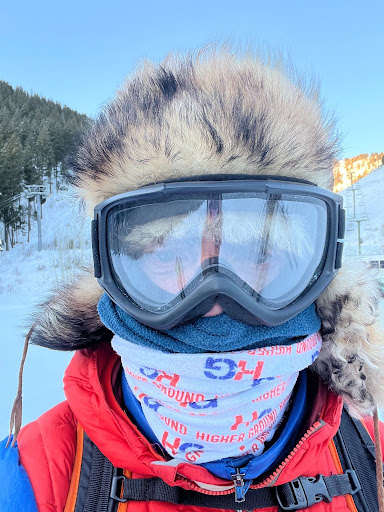
I’ve learned this lesson on football fields, in boardrooms, and nearly 29,000 feet above sea level on Mt. Everest. Reaching the summit was never about conquering a mountain. It was about becoming the person capable of climbing it.
That is what Finding Your Summit is really about.
Your summit isn’t someone else’s dream.
It’s yours.
Here’s a framework you can use to identify your own summit and take meaningful action toward achieving it.
Step 1: Define What Your Summit Really Is
Many people chase goals they think they’re supposed to want.
More money.
A bigger title.
A larger house.
Another promotion.
But meaningful goals begin with purpose.
Ask yourself:
- What excites me?
- What challenge would make me proud five years from now?
- If fear wasn’t holding me back, what would I pursue?
Your summit should stretch you beyond your comfort zone while aligning with your values.
When I committed to climbing the Seven Summits—the highest peak on every continent—I wasn’t trying to impress anyone. I wanted to prove that setbacks don’t define us. Our response to adversity does.
Purpose fuels perseverance.
Step 2: Build the Right Team
No one reaches Everest alone.
There are Sherpas.
Guides.
Doctors.
Teammates.
Family.
Friends.
Even in the NFL, success wasn’t about individual talent alone. Championships are built through trust, communication, and accountability.
The same is true in business and life.
Ask yourself:
Who encourages you?
Who challenges you?
Who tells you the truth?
Who has already accomplished what you’re trying to do?
Surround yourself with people who elevate your standards rather than lower them.
The right team won’t eliminate obstacles, but they’ll help you navigate them.
Step 3: Break the Mountain into Camps
Looking at Everest from base camp is overwhelming.
Nearly six vertical miles separate you from the summit.
If you focus only on the top, you’ll likely quit before you begin.
Climbers don’t think that way.
They focus on the next camp.
Camp One.
Camp Two.
Camp Three.
Camp Four.
Then the summit.
The same principle applies to meaningful goals.
Instead of saying:
“I want to write a book.”
Say:
“I’ll write 500 words today.”
Instead of:
“I want to lose 40 pounds.”
Say:
“I’ll walk 30 minutes every morning this week.”
Momentum comes from accomplishing small wins repeatedly.
Big victories are built from tiny disciplines.
Step 4: Expect Adversity
One lesson every mountain teaches is this:
Something will go wrong.
Weather changes.
Equipment fails.
Plans fall apart.
The question isn’t whether adversity will arrive.
The question is how you’ll respond.
During my Everest expedition, I faced conditions I couldn’t control.
Every climber eventually does.
The same happens in business.
Markets shift.
Companies restructure.
Projects fail.
Careers change.
Successful people don’t avoid adversity.
They prepare for it.
Resilience isn’t about never falling.
It’s about continuing after you do.
Every obstacle contains an opportunity to grow stronger.
Step 5: Develop Summit Habits
Motivation comes and goes.
Habits remain.
Elite athletes don’t wait until they “feel like” training.
Successful executives don’t lead only when it’s convenient.
Great leaders build systems that produce consistent action.
Ask yourself:
What daily habits move me closer to my summit?
It could be:
- Reading 20 pages every day
- Exercising before work
- Calling one prospective client
- Practicing gratitude
- Scheduling uninterrupted thinking time
- Learning one new leadership skill each week
Small actions compound.
Over time, they create extraordinary outcomes.
Step 6: Lead Yourself First
Leadership begins long before anyone follows you.
It starts with keeping promises to yourself.
Integrity isn’t only how you treat others.
It’s honoring your own commitments.
When you consistently do what you said you would do—even when no one is watching—you build confidence.
Confidence isn’t something you’re born with.
It’s something you earn.
The strongest leaders I’ve met possess humility, discipline, and consistency.
Those qualities matter far more than charisma.
Step 7: Redefine Success
One surprising lesson from Everest is that reaching the summit is only halfway.
Every climber knows the real goal is getting home safely.
The summit is temporary.
The transformation lasts.
Too many people believe happiness begins after they accomplish the goal.
“I’ll be happy when…”
I get promoted.
I sell the company.
I finish the race.
I reach financial freedom.
But fulfillment comes from the person you become while pursuing meaningful goals.
Success isn’t simply reaching the top.
It’s becoming stronger, wiser, and more resilient along the way.
Your Personal Summit Framework
Whenever you’re facing a major challenge, remember these seven principles:
- Define your summit with clarity.
- Build a team that supports your journey.
- Break large goals into manageable milestones.
- Expect adversity and prepare for it.
- Create habits that compound over time.
- Lead yourself before leading others.
- Focus on who you’re becoming, not just what you’re achieving.
This framework works whether you’re leading an organization, launching a startup, raising a family, changing careers, or climbing an actual mountain.
The destination may differ.
The process remains remarkably similar.
Final Thoughts
Looking back, the greatest lesson I learned wasn’t standing on top of Mt. Everest.
It was realizing that every mountain in life teaches the same lesson.
Growth lives beyond comfort.
Purpose fuels perseverance.
Resilience creates possibility.
And the summit is never just a destination—it’s a transformation.
Your mountain may not be covered in snow.
It may be a difficult conversation.
A new business.
A healthier lifestyle.
A second chance.
A dream you’ve delayed for years.
Whatever your summit is, remember this:
You don’t have to climb the whole mountain today.
You only have to take the next step.
Because every extraordinary journey begins exactly the same way.
One intentional step toward the summit.
To Know How: 7 Daily Habits That Keep Me Motivated, Focused, and Mentally Strong Every Day
Frequently Asked Questions
Finding your summit means identifying the meaningful goal that aligns with your purpose, values, and aspirations. It’s about pursuing the challenge that helps you grow into your best self.
Focus on daily habits instead of distant outcomes. Consistent small actions create momentum, and momentum builds confidence. Celebrate progress rather than waiting for perfection.
Failure is part of every worthwhile journey. Learn from setbacks, adjust your plan, and keep moving forward. Resilience is developed through perseverance, not by avoiding challenges.
Absolutely. The same principles that guide a mountaineering expedition—preparation, teamwork, adaptability, discipline, and resilience—are essential for effective leadership and long-term business success.
Your summit is waiting. The question is: What mountain are you willing to climb next?
Author Bio
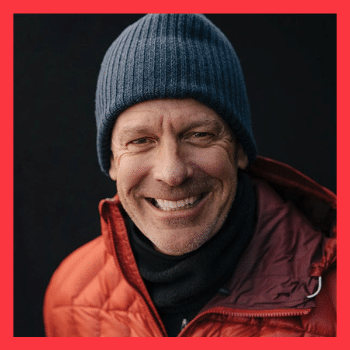
Mark Pattison is a former NFL player, entrepreneur, author, and internationally recognized keynote speaker. As the first former NFL player to complete the Seven Summits, he inspires audiences worldwide with powerful insights on leadership, resilience, peak performance, and overcoming adversity.
Read Full Bio ➜